What a La Jolla cave tour actually costs you
What the La Jolla Sea Cave Kayak Tour includes
The flagship experience: what you see, what’s in the boat, and what happens if the swell closes the caves.
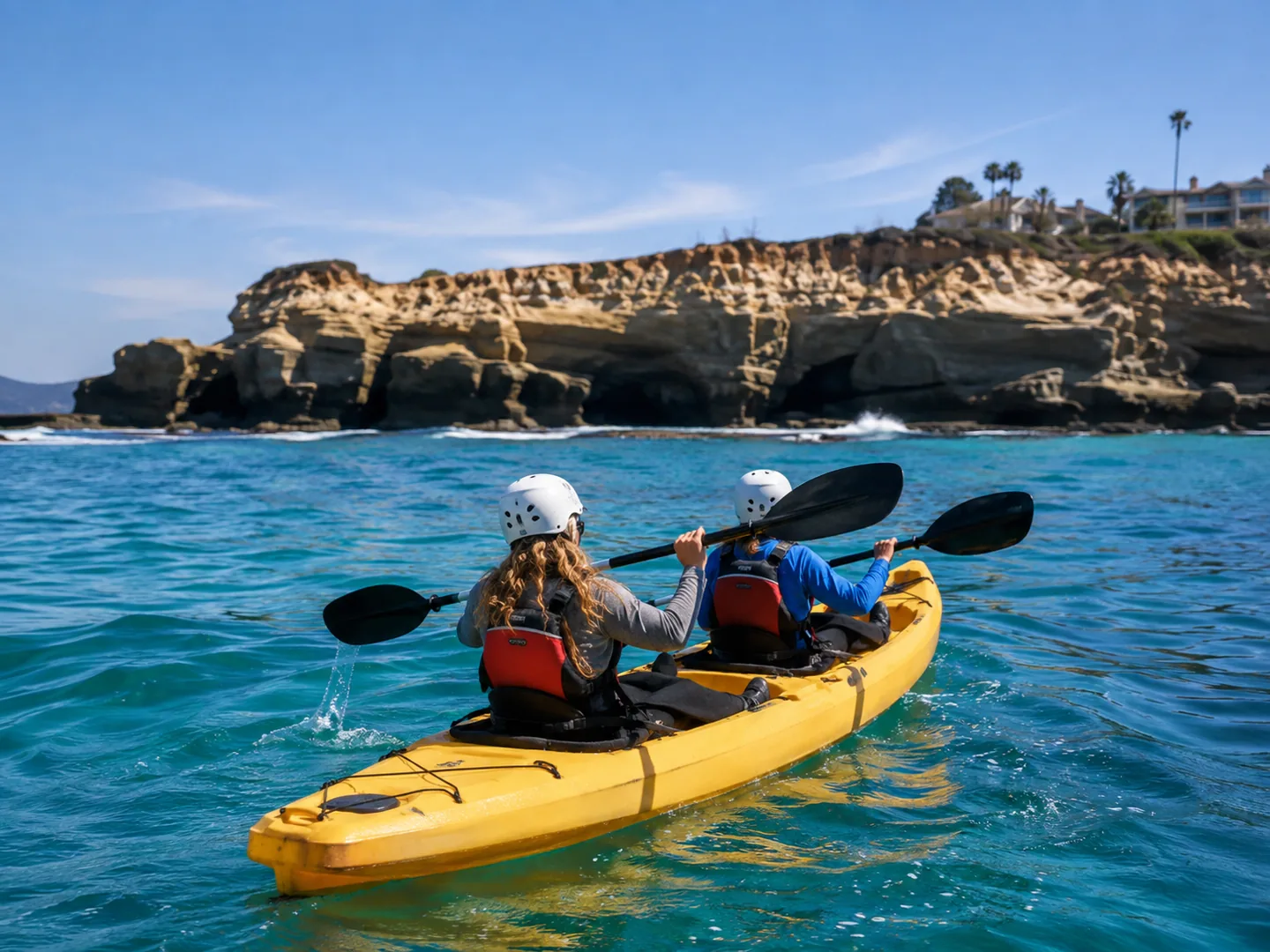
The paddle
- Check-in at La Jolla Shores
- Briefing and helmet fit
- Surf launch and the 1.5-mile run down the coast
- All three marine reserve habitats: rocky reefs, sandy flats, kelp beds
- A couple of minutes inside Clam’s Cave
What’s included
- Sit-on-top sea kayak, paddles, lifejacket and helmet
- Professional guide with First Aid and CPR
- Free cancellation up to 24 hours before
- Lockers and wetsuits rentable on site
- Age 5 and up; swimmers only
What a cave tour looks like, start to finish
The guided route in order—what you do, where you paddle, and roughly how long each step takes.
A typical cave tour launches from Kellogg Park, La Jolla Shores, about 1.5 miles north of the Point La Jolla caves. From there, every tour follows the same rhythm: the briefing, the launch, the crossing, the cave, the return.
- Meet at the Shores 30 minutes early 30 min — La Jolla Shores boat launch at Kellogg Park. Check in, fit your helmet, get your briefing.
- The briefing and helmet 10 min — City rule requires helmets on all guided cave tours. The guide covers the swell call, the 1.5-mile crossing, and how to reenter if the waves are big.
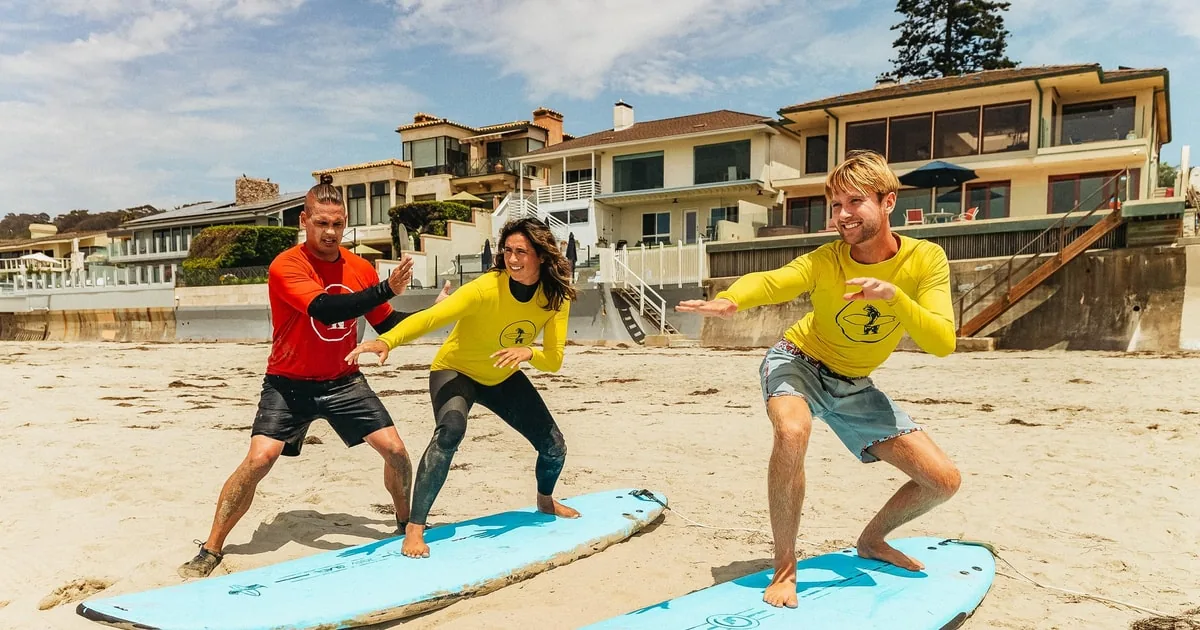
- The surf launch 5 min — Kellogg Park has a small beach launch. On calm days it’s straightforward; on bigger swells the guide walks you through the timing.
- The 1.5-mile crossing down the coast 30 min — Three miles of paddling round trip, inside the protected Matlahuayl State Marine Reserve. You paddle past rocky reefs, sandy flats, and kelp beds.
- Clam’s Cave and the other six 10 min — All seven caves are along the Point La Jolla bluffs. Clam’s is the largest and the one guided tours enter. Time inside is brief—a couple of minutes.
- The paddle back and the surf landing 30 min — Return to Kellogg Park and bring the boat back through the shore break. Lockers let you change and dry off.
The whole time on the water is about two hours for the flagship; the small-group tour runs 1.5 hours on the water. Check-in, changing and parking can add another hour. From here you can book a different tour type — snorkel, sunset, or rent and paddle yourself.
How booking works
Pick your tour style
Sea cave kayak tour, snorkel hybrid, sunset paddle, or rent and paddle yourself.
Check live dates & prices
See real availability and what’s included on each product.
Book in seconds
Reserve with instant confirmation. Free cancellation up to 24 hours before.
Just turn up
Bring your confirmation and arrive 30 minutes early. Everything else is provided.
The flagship La Jolla sea cave kayak tour
If you just want the safe choice: the most-booked cave tour, $79 per 2-seat kayak (about $40 each), rated 4.5 from 752 reviews.
Three La Jolla cave tours compared
The budget sea cave tour, the premium small-group, the snorkel hybrid. Here’s how they stack up.
| Most bookedLa Jolla Sea Cave Kayak Tour | La Jolla: Sea Cave Kayaking Tour with Guide | La Jolla: 1.5-2 Hour Kayak and Snorkel Tour | |
|---|---|---|---|
| Price | $79 per 2-seat boat | $159 per 2-seat boat | $129 per 2-seat boat |
| Per person | about $40 each | about $80 each | about $65 each |
| Time on water | 2 hours | 1.5 hours | 2.5 hours |
| Group size | Up to 12 kayaks | Smaller groups | Up to 12 kayaks |
| Main activity | Paddle all seven caves | Guided route, four caves | Paddle, then snorkel |
| Inside the cave | Clam’s Cave, a couple min | Only if swell permits | No cave entry |
| Rating | 4.5 ☆ (752) | 4.6 ☆ (268) | 4.1 ☆ (208) |
| Free cancellation | ✓ Up to 24 h before | ✓ Up to 24 h before | ✓ Up to 24 h before |
| Book this → | View → | View → |
Photo Gallery
La Jolla sea caves — through the lens
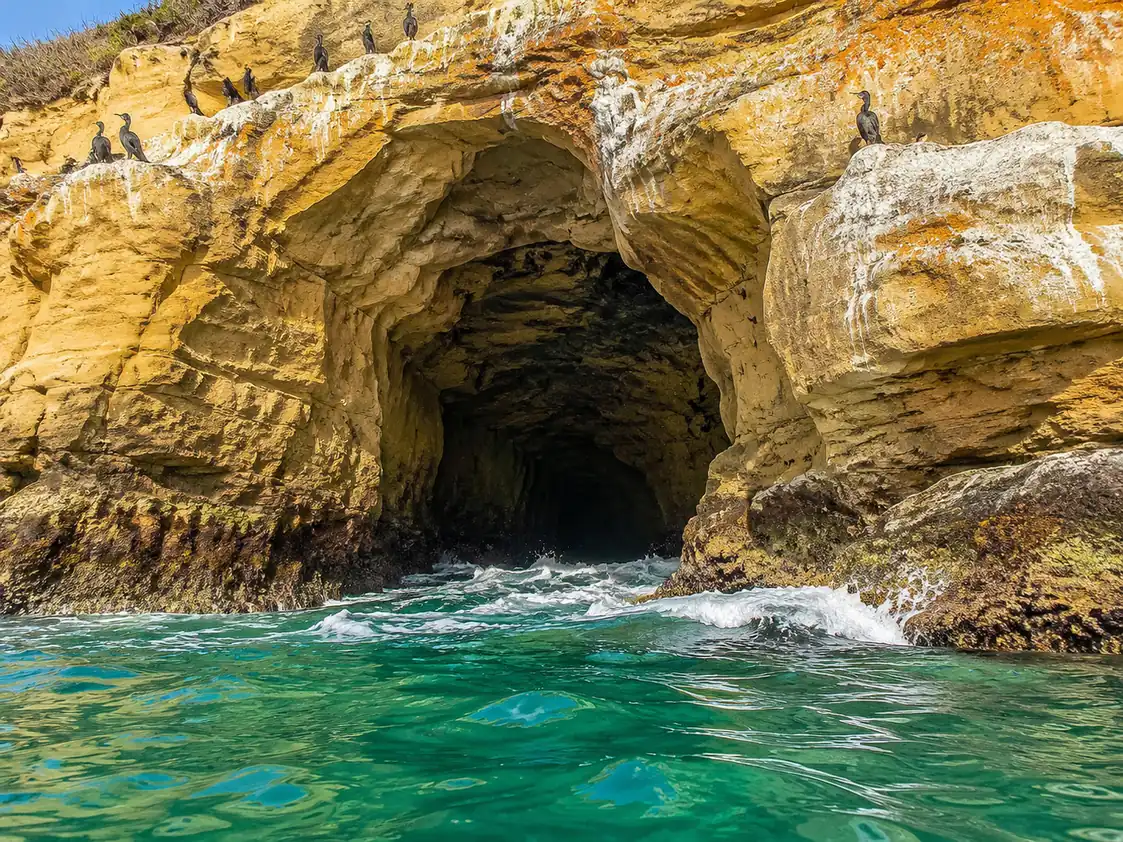
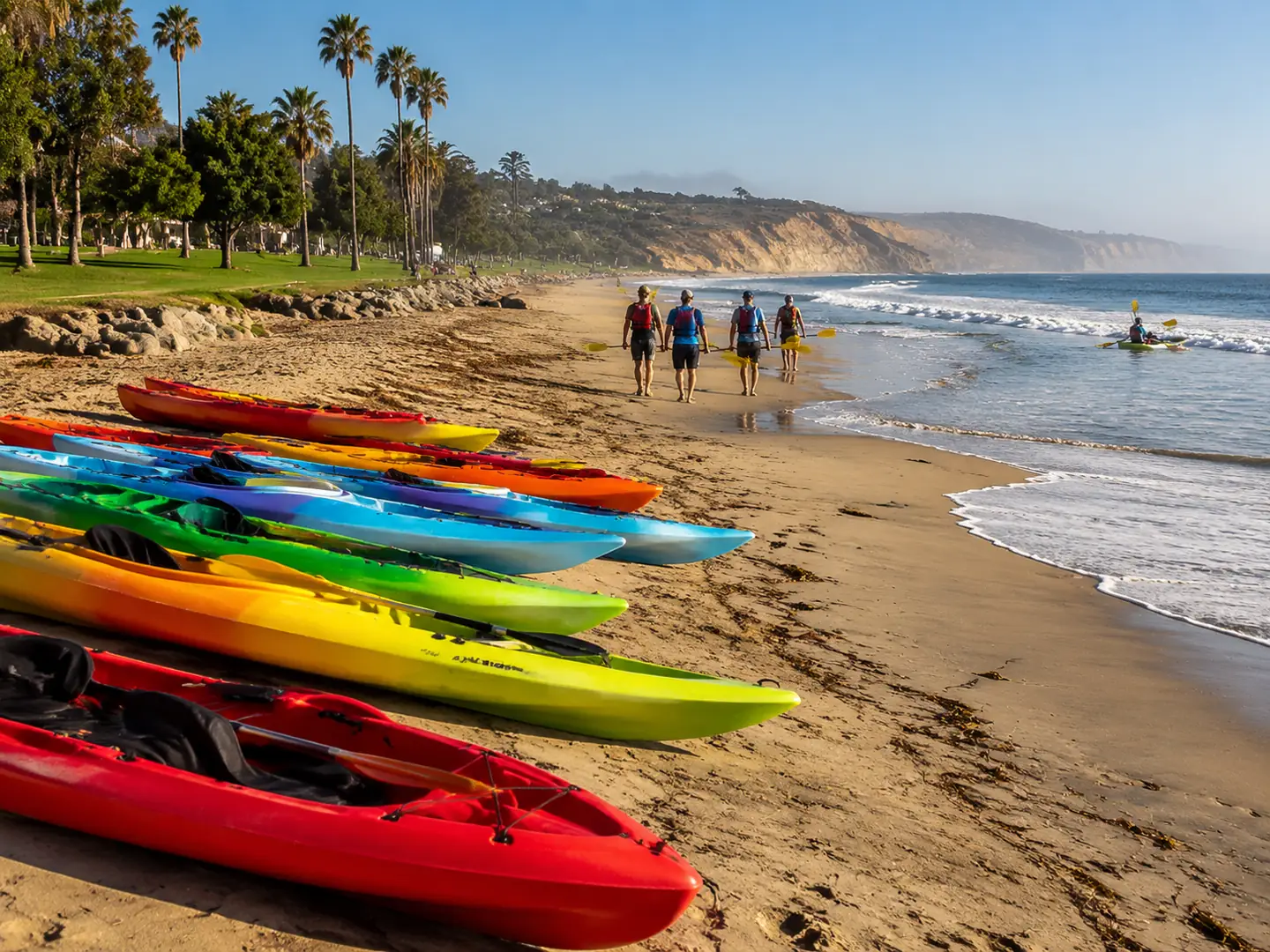
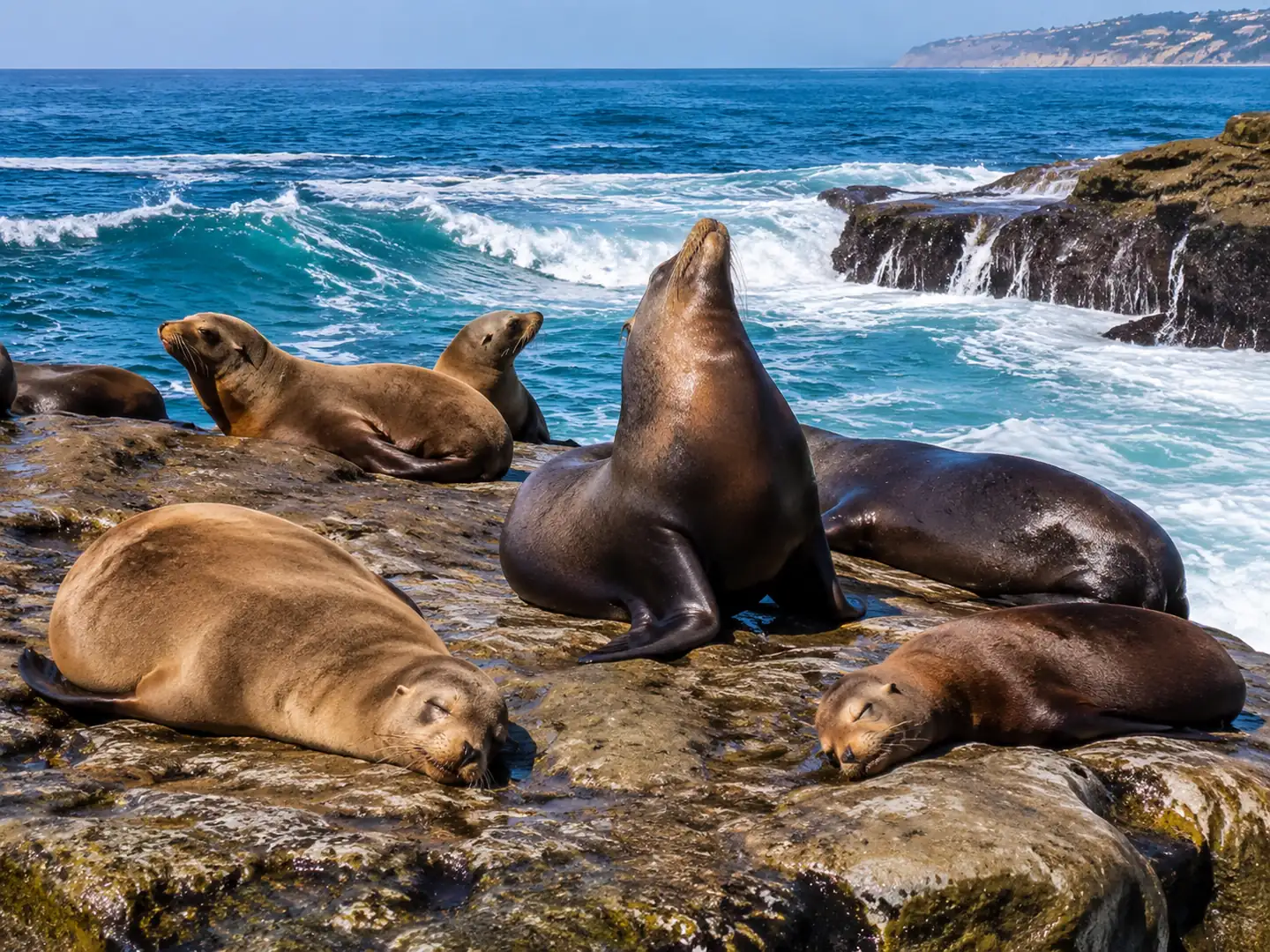
A few of the sights you’ll see on a guided cave tour: the caves themselves, the paddle out, the wildlife and the water.
All La Jolla kayak and snorkel tours
From paddling yourself to guided sunset tours to snorkel swaps. The tours worth your time and money.
 Most booked
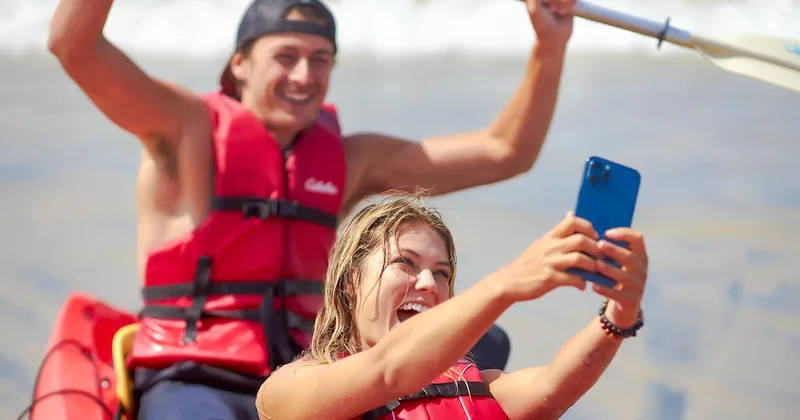
La Jolla Sea Cave Kayak Tour
 Small group
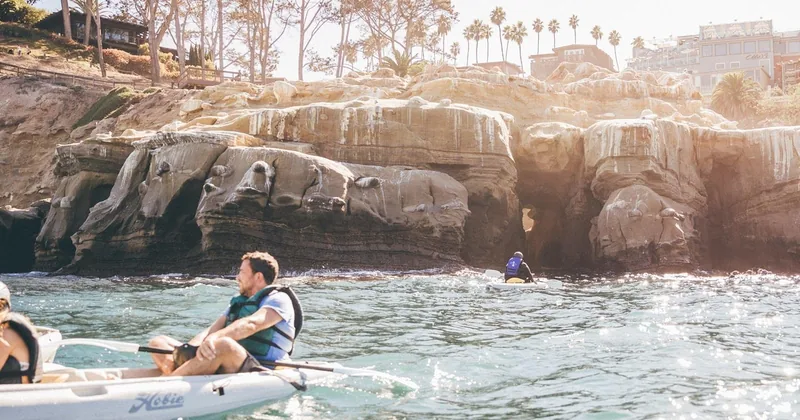
La Jolla: Sea Cave Kayaking Tour with Guide
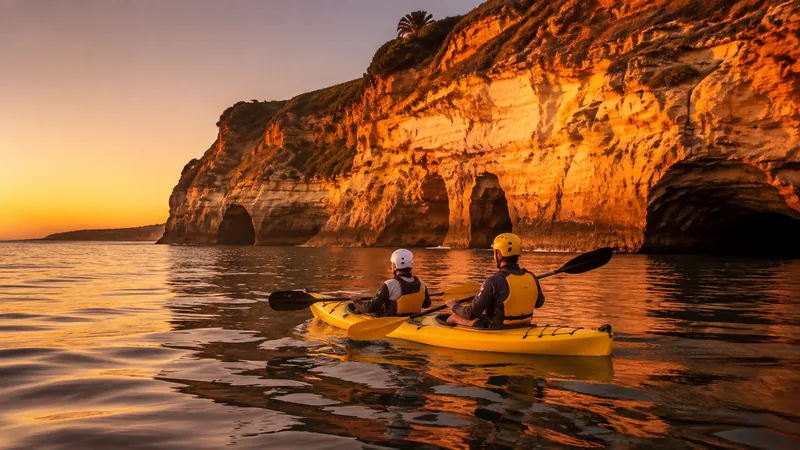 Golden hour
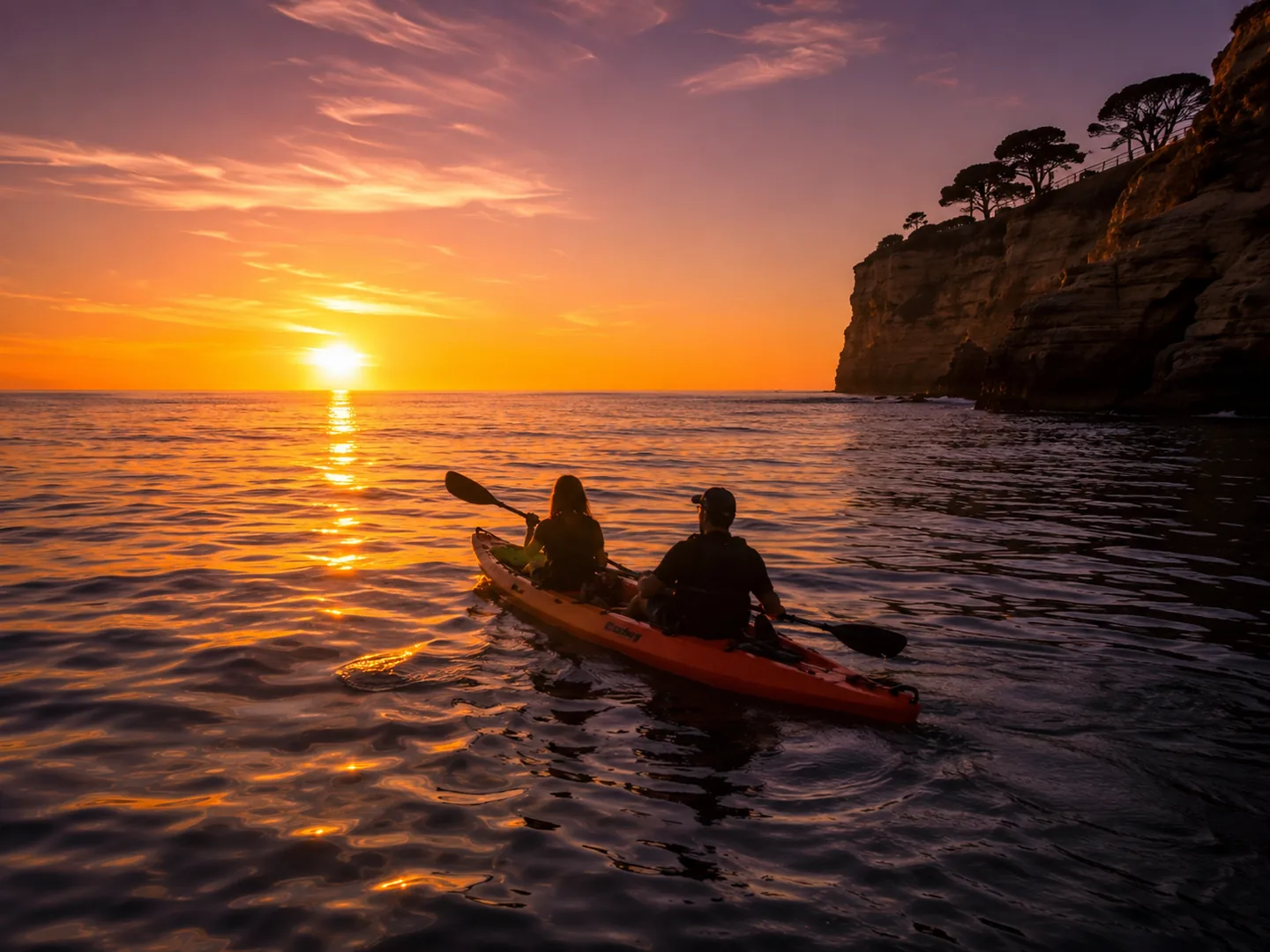
La Jolla Sea Caves Sunset Kayak Tour
 Kayak + snorkel
La Jolla: 1.5-2 Hour Kayak and Snorkel Tour
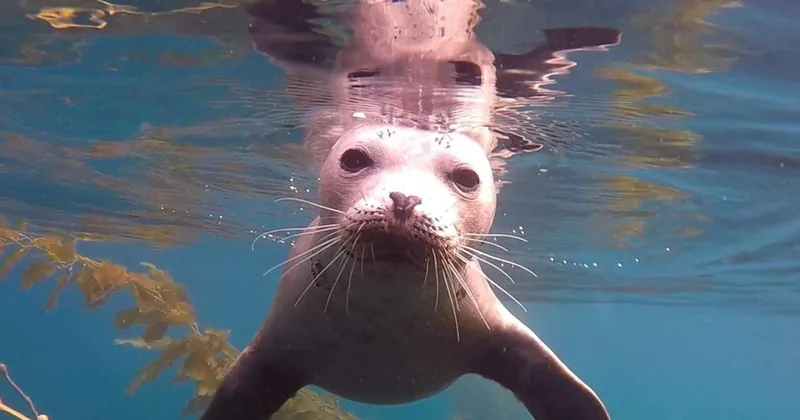 Sea lions
La Jolla Cove Snorkeling Tour: Sea Lions & Caves
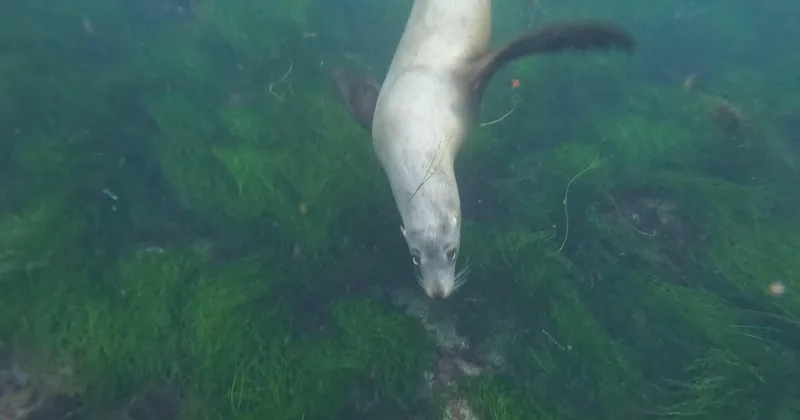 Small group
La Jolla Cove Sea Lions & Cave Snorkel Tour
 Paddle yourself
La Jolla: Stand Up Paddle Board Rental
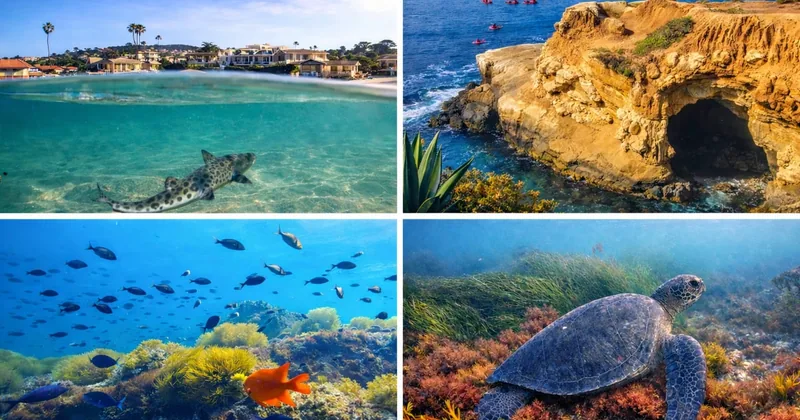 Cheapest way in
La Jolla: Full-Day Snorkel Gear Rental
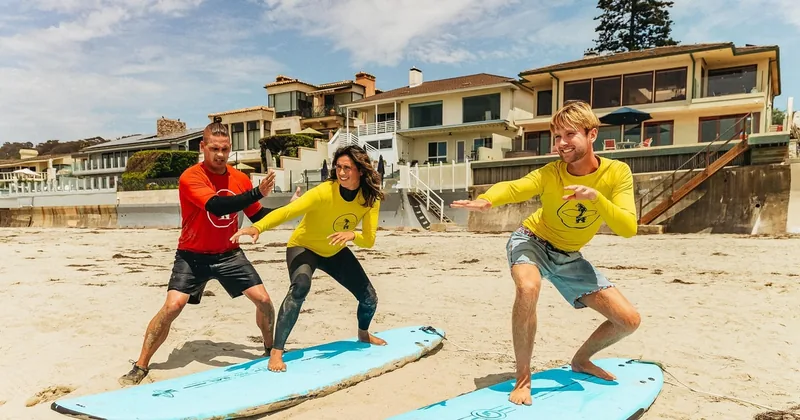 Lesson
La Jolla: 1.5-Hour Surfing Lesson
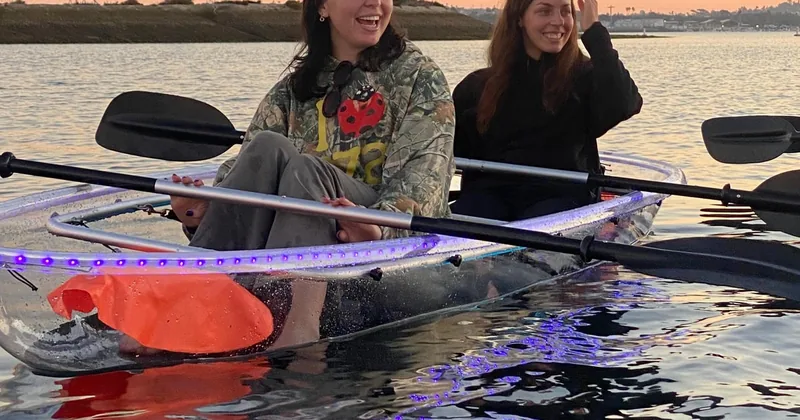 Mission Bay
San Diego: Clear Kayak Sunset Tour on Mission Bay
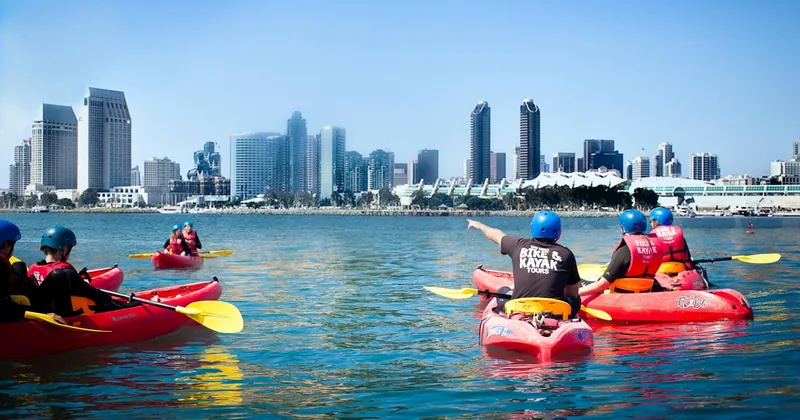 Coronado
Coronado Guided Kayak Tour: 90 Minutes
Real photos from the La Jolla tours
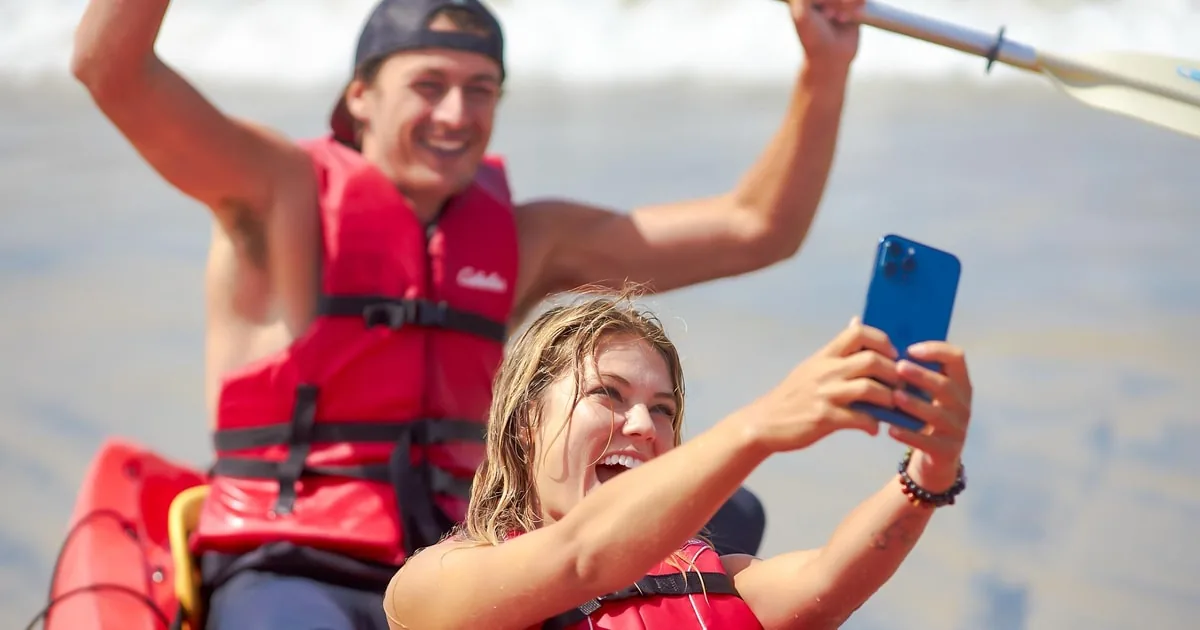
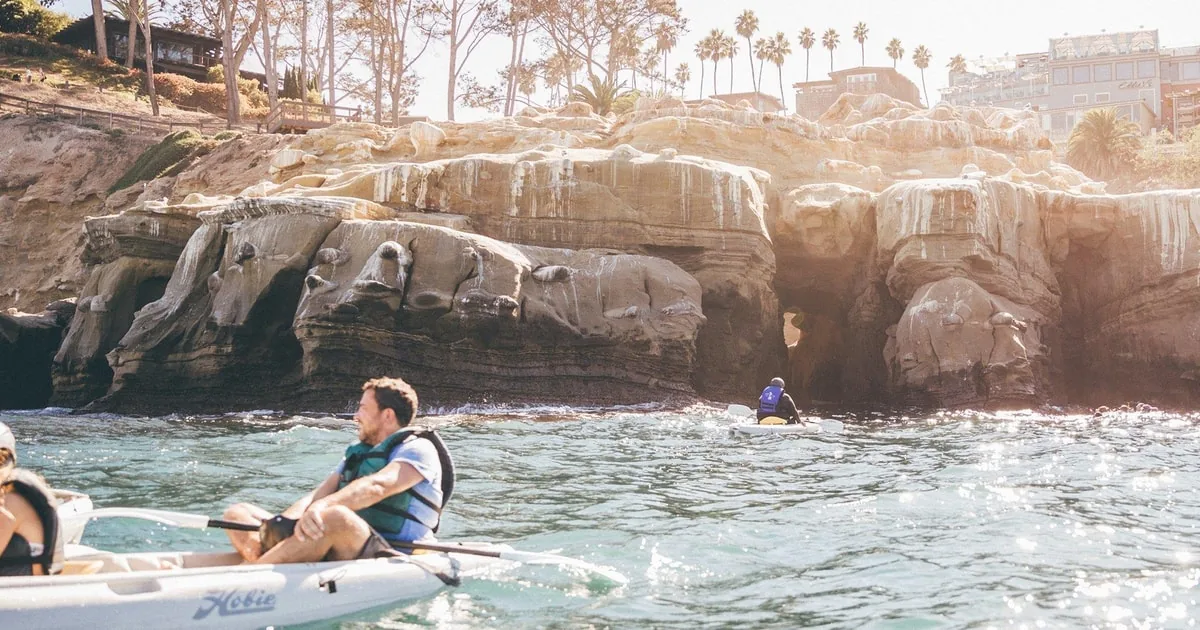
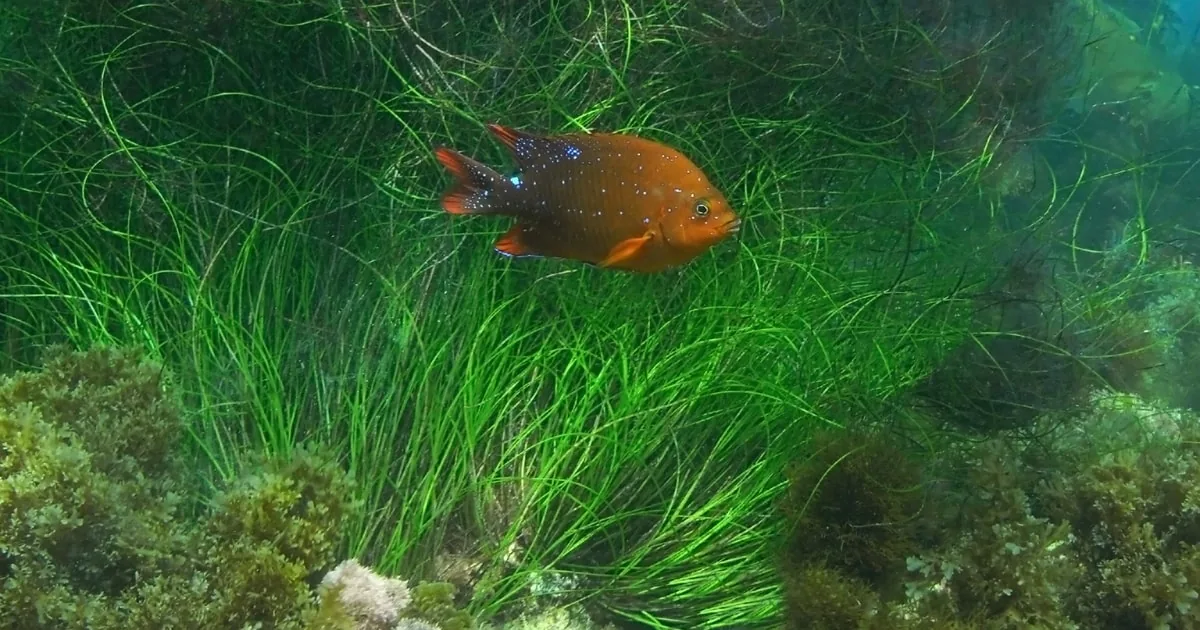
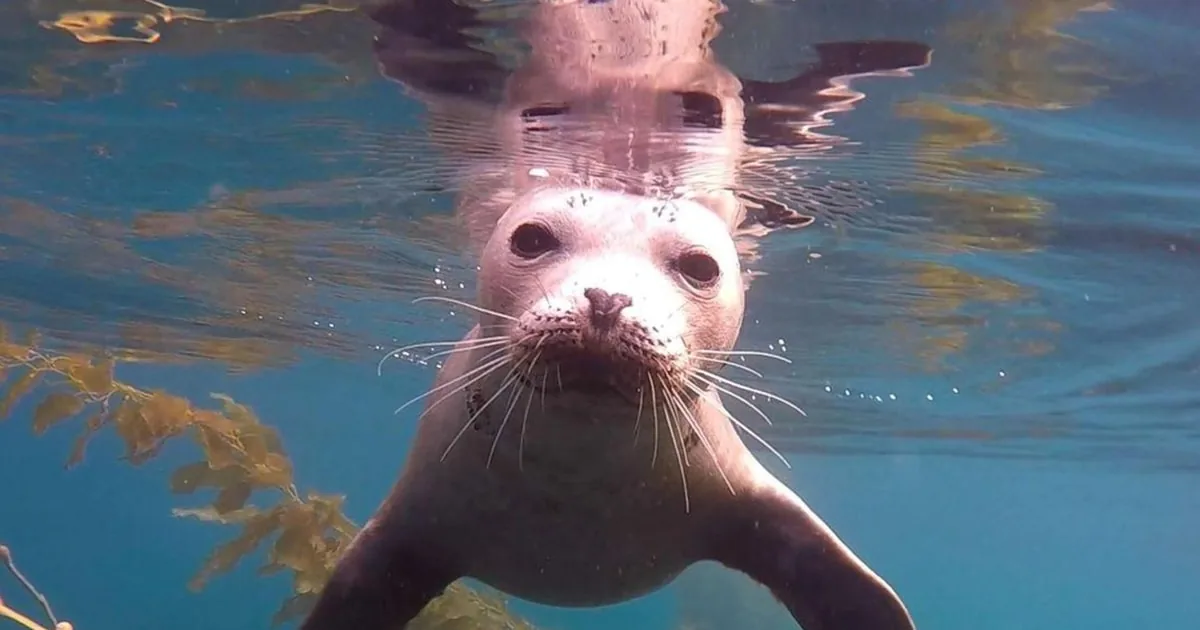
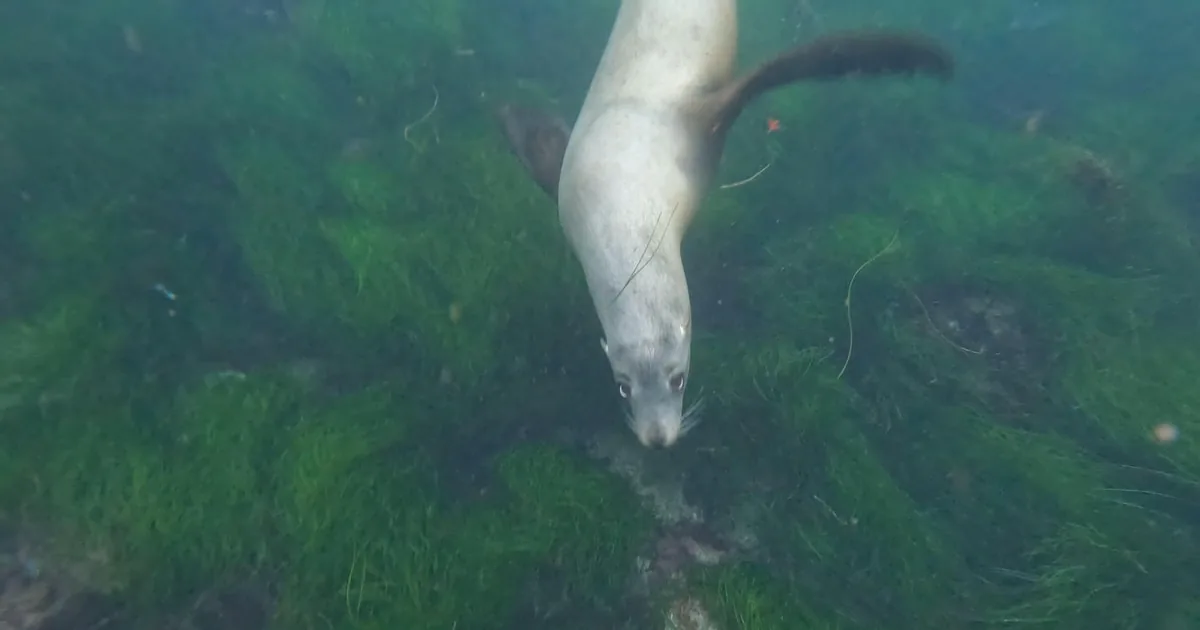
Six photographs from the operator’s own La Jolla tours—the boats you paddle, the caves you see, the launch at the Shores, the wildlife you encounter.
What guests say about La Jolla cave tours
Real reviews from travellers who booked tours we feature.
Our double kayak seven sea cave tour was fantastic. Guides Nate and Cole were patient and knowledgeable.
Guides Zach and Katie got into the water to walk us through when the waves were bigger than usual.
Sea caves were pretty. You only spend a couple minutes in them. Good to know up front.
Unfortunately we couldn’t enter the caves but we totally understand water safety. Still a great day.
Guide Rich’s pacing was perfect. I love the sea lions, fish, birds and the caves.
We saw no turtles despite the photo, but sea lions and plenty of fish. Great time on the water.
Ratings and reviews are the operators’ live GetYourGuide figures. Read our full tour reviews ›
Quick answers before you book
A few things worth knowing so you spend your time on the water, not figuring out logistics.
Is it a canoe tour or a kayak?
It’s a sea kayak. Every operator in La Jolla uses a sit-on-top tandem, stable and self-draining. Why the wrong word stuck.
Do I need a guide to enter the caves?
No—it’s legal to rent a kayak and paddle yourself. What renting actually involves.
How much does it really cost per person?
The flagship is $79 per boat, so about $40 each in a tandem. The premium small-group is $159 per boat, about $80 each. Full breakdown.
Are the leopard sharks dangerous?
No—they gather in the shallows June through October, mostly pregnant females resting in warm water. No record of harm.
How long are we actually in the caves?
A couple of minutes inside Clam’s Cave, the largest. Why the time is brief.
What if the swell shuts the caves?
Lifeguards can close the caves anytime they deem it unsafe. Operators run an outside-the-caves version of the same tour instead. Swell seasons explained.
Can’t make these dates?
Browse more available La Jolla kayak tour and find one that fits your schedule — all with instant confirmation and free cancellation.
The La Jolla sea caves, explained
There is no canoe tour in La Jolla. Every operator runs a sit-on-top sea kayak, usually a tandem. What people search for is not what they get, and that gap is worth understanding before you book.
What the seven caves actually are
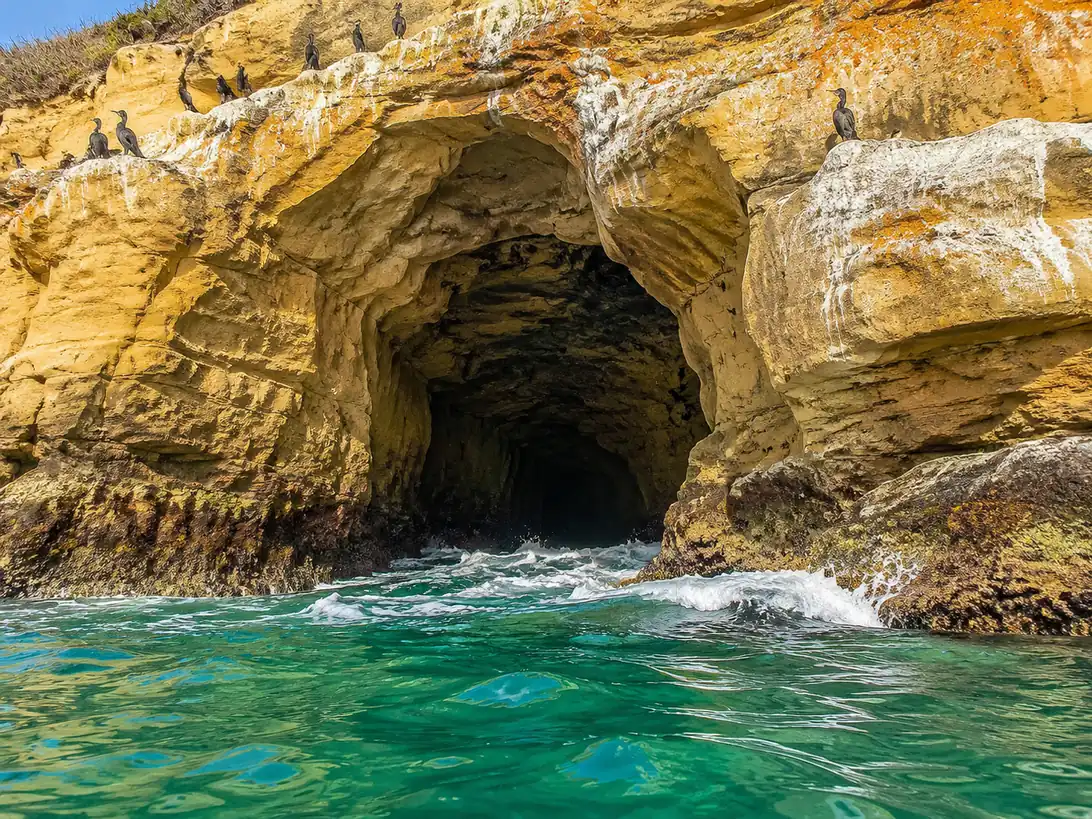
Seven sandstone caves cut into the Point La Jolla bluffs, named west to east: White Lady, Little Sister, Shopping Cart, Sea Surprize, Arch Cave, Sunny Jim’s Cave and Clam’s Cave. Kayak tours paddle past all seven; Clam’s is the largest and the one you enter. Time spent inside is brief—a couple of minutes—because the surge puts a ceiling on how long it is safe to linger. Sunny Jim’s is the only one you can walk into, through a private staircase inside the Cave Store on Coast Boulevard, 145 stairs each way, for $13 adults and $7 youth aged 3 to 17, open 9 a.m. to 4:30 p.m. The other six are water access only, inside the Matlahuayl State Marine Reserve.
The two prices that people get wrong
First: the boat price is not the person price. Five of the eleven products on this site are priced per group of two in a tandem kayak. The flagship tour says $79, but that is $79 per boat, so roughly $40 each. The premium small-group tour is $159 per boat, about $80 each. Print both figures whenever you see one. Most competing pages print only the boat price and call it per person, which makes La Jolla look expensive when it actually isn’t.
Second: you may not need to book a guide at all. The Matlahuayl State Marine Reserve permits kayaking. The City of San Diego’s published concession requirements mandate helmets and guide ratios on guided tours but contain no clause barring rental customers from the caves. The frequent claim that "a guide is required by city rule" is operator policy, not regulation. What the city actually requires is that guided-tour paddlers wear helmets, and that guides hold First Aid, CPR, the Lifeguard Three R’s course and a British Canoe Union canoeing safety certification. None of that applies to someone renting a kayak and paddling solo.
What renting actually involves
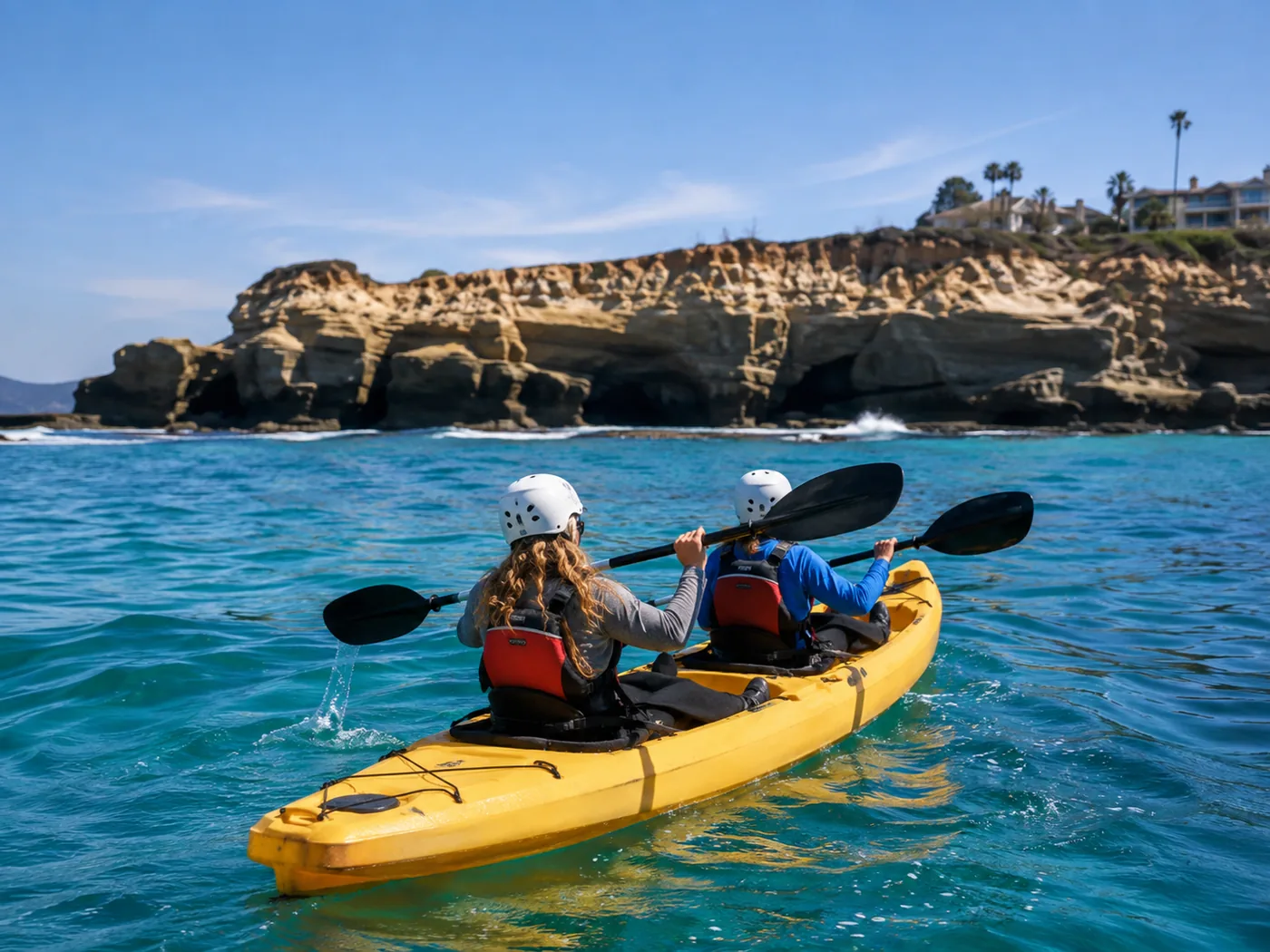
Rental kayaks launch from Kellogg Park at La Jolla Shores, the only beachfront boat launch inside San Diego city limits. The caves are 1.5 miles down the coast, so a cave paddle is roughly three miles round trip. You carry a waterproof zone map that the shop must give you, and you can be cited if you paddle into off-limits areas. The rental cap is 15 kayaks on peak summer weekends, and lifeguards can close the launch or terminate the rental at any time if conditions are unsafe. That last part is the crux: on bigger swells, the caves may not be passable, and the lifeguard’s decision is final. There is no way to know that until the morning you are standing at the launch.
The honest case for a guide
The paddle is 1.5 miles of open ocean each way. The swell decides whether the caves open at all that morning, and you can only know by being there and reading it. Helmets are mandatory on guided tours, but the city does not require them on rentals—most rental paddlers wear them anyway. A guide costs about $40 a head in a tandem, which is barely more than the rental, and a good guide knows which cave is safe at what hour and reads the swell forecast three days out so you do not waste the trip.
That said, if you have paddled in open ocean before and can read a swell forecast, the rental is the smarter choice. You have more flexibility, lower cost, and nobody between you and the water. Rent if you are that person. Book a guide if you are not.
What else you see on the paddle
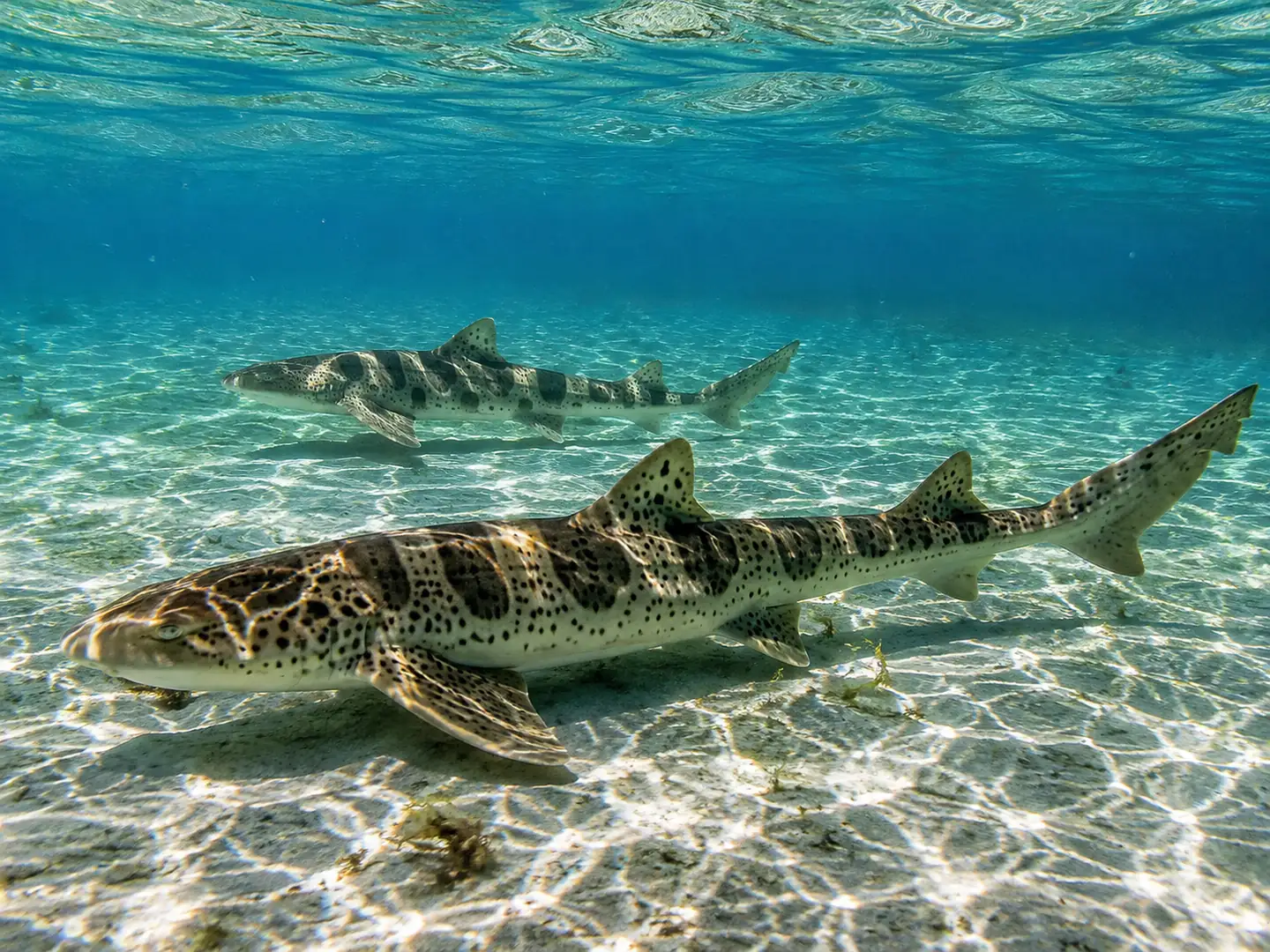
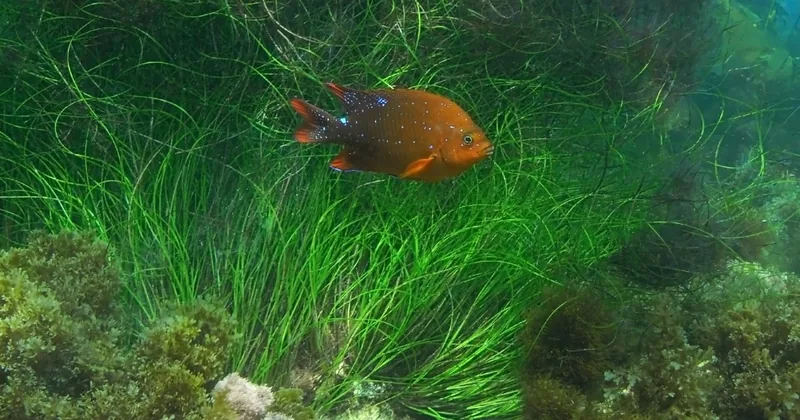
The Matlahuayl State Marine Reserve is dense with wildlife. Leopard sharks gather in the shallows from late June into October, peaking in August and September, about 97 percent pregnant females resting in warm shallow water. California sea lions haul out around La Jolla Cove, and harbour seals at the Children’s Pool. The water runs through three marine habitats on the paddle: rocky reefs, sandy flats and kelp beds. NOAA asks for 50 yards of distance from seals and sea lions and no more than 30 minutes of observation. What you actually see on a given morning depends on season, time of day and the water clarity. Listing photos are not promises; a good guide simply knows what month to look for what.
Why summer and the swell matter
Sea surface temperature at Scripps Pier runs from about 58.8 degrees in February to 71.1 degrees in August. Summer and early autumn are the calm-water months and the reason cave tours cluster there. Winter brings the swell that shuts the caves most often. Wetsuits are included on snorkel trips; on kayak tours you mostly stay dry from the waist up. Book a full-day or multi-day rental and dress for the water temperature that month, not the air temperature. The swell forecast is the thing to check before you leave your hotel—high swell shuts the caves, and lifeguards have the final say.
Why you book ahead
Every one of the eleven products on this site offers free cancellation up to 24 hours before the start time. That is a real reason to book now rather than gamble on walking up to the shop hoping for a last-minute opening. Weekends fill early; weekday mornings are usually quieter. In peak season, book a day or two ahead. Off-season, same-day bookings work fine. Either way, the walk-up paddler is the one who shows up and finds the swell closed the caves and the guide sold out and a one-hour wait for a rental. The person who booked at home, three days earlier, is the one paddling.
Frequently asked questions
Is it a canoe tour or a kayak?
It’s a sea kayak tour. Every operator in La Jolla uses a sit-on-top sea kayak, usually a two-seat tandem. The word “canoe” follows people around because listing sites file the activity under “Kayaking & Canoeing”. Why the wrong word stuck.
Do I really need a guide to enter the caves?
No—legally, you do not. You can rent a kayak and paddle out yourself; the marine reserve permits kayaking and the city’s concession rules do not bar it. Yes, in practice, for most visitors: the crossing is 1.5 miles each way, the swell decides whether the caves are open, and a guide costs about $40 a head in a tandem. The honest case for booking one.
How much does a La Jolla cave tour really cost per person?
The flagship is $79 per boat, so roughly $40 each in a two-seat tandem. The premium small-group tour is $159 per boat, about $80 each. Check the unit carefully before comparing prices. Full breakdown of all costs.
Are leopard sharks dangerous?
No. They gather in the shallows from late June into October, about 97 percent pregnant females resting in warm shallow water. They have small teeth, eat crabs and fish eggs, and there is no record of one harming a swimmer. More on leopard shark season.
How long do we spend inside the caves?
A couple of minutes inside Clam’s Cave, the largest. The tour spends more time paddling past all seven caves than inside them. Why that time is brief.
What if the swell shuts the caves when I arrive?
Lifeguards can close the launch or terminate any tour if conditions are unsafe, and their decision is final. Operators then run the outside-the-caves version of the same tour. Swell seasons and when caves close most.
What should I wear?
Swimsuit under athletic clothes, secured footwear (no jeans), no loose sunglasses. You get wet from the waist down. Wetsuits are included on snorkel trips; on kayak tours they’re rentable. Full packing guide.
Is this suitable for beginners?
Yes, with conditions: age 5 or older, swimmers only, and no experience required. The surf launch and re-entry are the parts beginners underestimate. What to know as a first-timer.
Still have questions? Email us [email protected]